
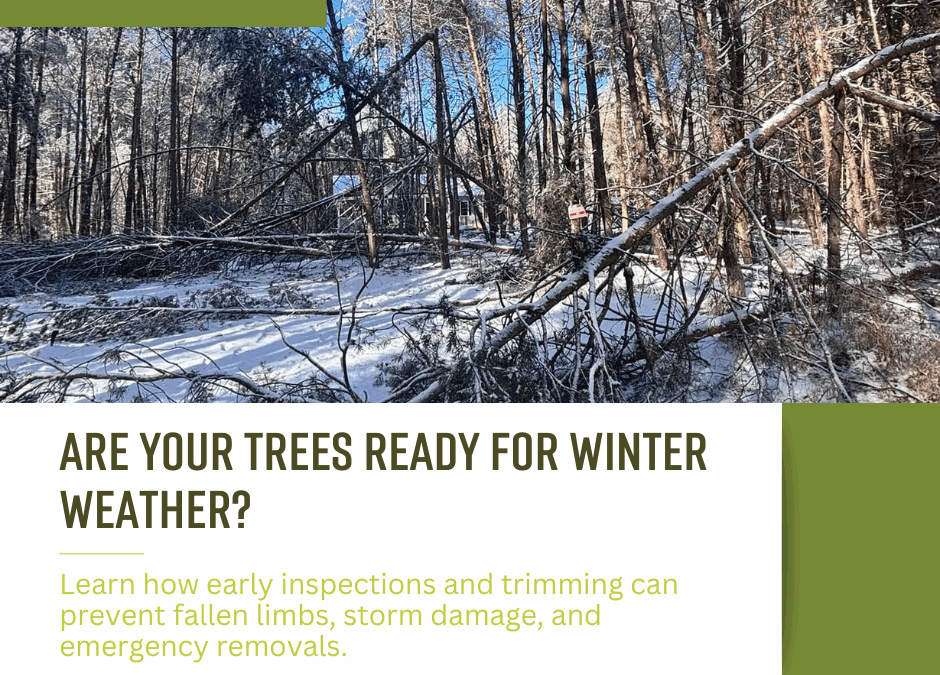
Winter in Central Virginia brings unpredictable weather — freezing rain, snow, and high winds that can wreak havoc on even the healthiest trees. Homeowners across Richmond know that one severe storm can cause serious damage, from fallen limbs to uprooted trees. The good news? With proper winter tree care, you can dramatically reduce the risk of damage to your property.
At Tree Times of Richmond, our certified arborists help homeowners prepare for the cold season with proactive care plans, inspections, and expert pruning. Whether you’re concerned about heavy ice, aging trees, or simply want peace of mind before the next storm, taking preventive steps now will protect your home and landscape all winter long.
This guide covers everything you need to know about winter tree care, storm prevention, and how professional services can make a lasting difference.
1. Why Winter Tree Care Matters
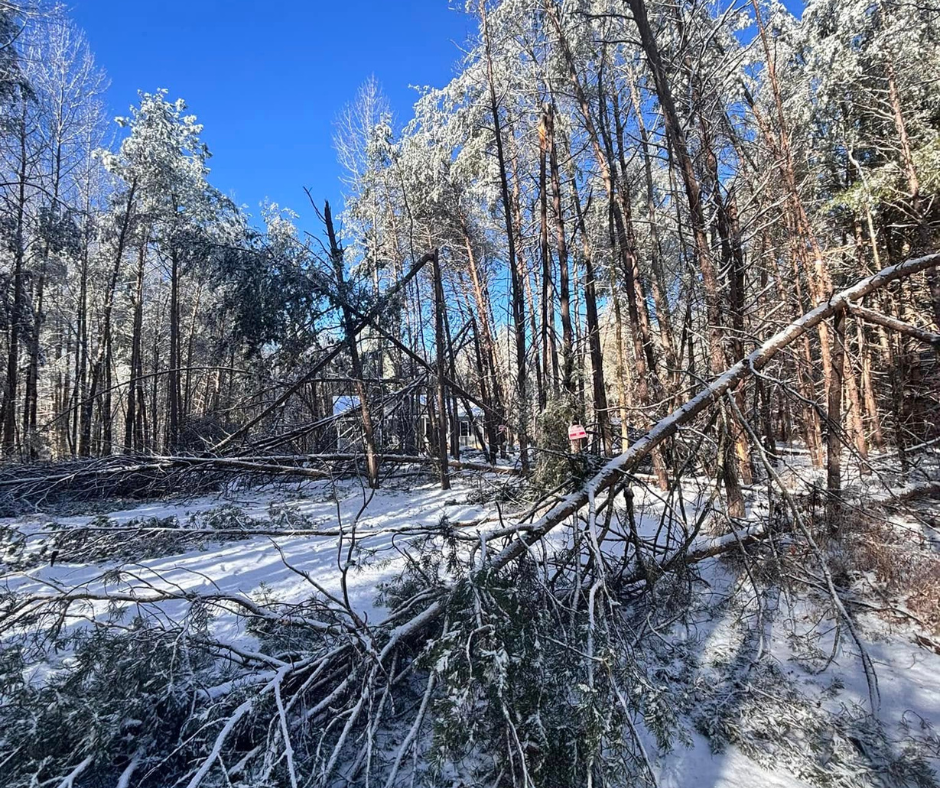
Winter is one of the most demanding seasons for trees in Virginia. Even though many species are dormant, they remain vulnerable to environmental stress — especially sudden temperature drops and heavy ice buildup.
Here’s why winter tree maintenance is essential:
- Prevents branches from breaking under ice or snow
- Reduces the risk of trees falling during high winds
- Protects your home, vehicles, and outdoor structures
- Improves long-term tree health and growth in spring
- Identifies hidden structural weaknesses before storms hit
Neglecting tree care during this season often leads to emergency removals or costly damage later. Preventive care now is far more affordable than post-storm repairs.
2. Common Winter Tree Problems in Richmond, VA
Homeowners in Richmond and Central Virginia face unique winter weather patterns that stress local trees. Understanding these common issues will help you know what to watch for.
Frequent winter tree problems include:
- Ice accumulation: Frozen rain adds weight to branches, causing splitting or breakage.
- High winds: Saturated soil and strong gusts can uproot trees or tilt trunks.
- Snow load: Heavy, wet snow can crack weaker limbs.
- Temperature fluctuations: Rapid freezing and thawing can cause bark to split.
- Soil compaction: Wet, frozen ground limits oxygen and nutrient absorption.
When these issues combine, even healthy trees can become hazardous. Regular inspection and maintenance before the first storm reduce the likelihood of damage.
3. Inspecting Your Trees Before Winter
The best time to prepare for winter storms is before they happen. A professional tree inspection from Tree Times of Richmond ensures that structural weaknesses are identified early.
Key areas to check:
- Dead or broken branches: These are the first to fall under stress.
- Cracks or cavities: Signs of internal decay that weaken the trunk.
- Leaning trees: May indicate root instability or past storm damage.
- Tight V-shaped branch unions: More prone to splitting under load.
- Signs of pests or disease: Winter stress can worsen existing health problems.
Our certified arborists use climbing inspections, ground assessments, and aerial views when necessary to spot potential risks accurately.
After the inspection, we provide a detailed report and recommendations tailored to your property.
4. Pruning: Your First Line of Defense Against Winter Damage
Pruning is one of the most effective ways to protect trees before winter storms. Proper trimming removes weak, dead, or crossing branches that might snap under weight or wind pressure.
Benefits of winter pruning:
- Reduces branch density and wind resistance
- Prevents limbs from rubbing or splitting
- Improves overall tree structure and balance
- Enhances long-term growth and appearance
The dormant season (late fall to early winter) is actually the ideal time to prune most trees. Without active growth, cuts heal faster and disease transmission is minimized.
Tree Times provides professional winter pruning services throughout Richmond and Central Virginia. Our trained climbers and arborists follow industry best practices to protect your trees and ensure lasting results.
5. Cabling and Bracing for At-Risk Trees
Sometimes, pruning alone isn’t enough to protect large or aging trees. In those cases, cabling and bracing can provide essential structural support.
Cabling and bracing involve:
- Installing steel cables between branches to reduce stress from wind and snow.
- Adding bracing rods in weak trunks or unions to prevent splitting.
This technique is especially valuable for heritage trees, multi-trunked species, or those close to structures. Tree Times’ certified arborists use precise calculations to determine placement and tension for maximum safety and longevity.
6. Mulching and Soil Protection
Cold temperatures and fluctuating moisture levels can strain root systems. A proper layer of mulch helps insulate the soil and maintain healthier roots throughout the winter.
Tips for effective mulching:

- Use 2–4 inches of organic mulch (such as wood chips or shredded bark).
- Keep mulch a few inches away from the trunk to prevent rot.
- Replenish annually to maintain proper depth.
Mulching also helps retain moisture during dry winter spells and prevents soil erosion caused by heavy rain or melting snow.
7. Recognizing Trees That May Not Survive Winter
Some trees, especially those that are diseased, decaying, or structurally unsound, simply won’t withstand another harsh season. It’s often safer to remove them before they become a hazard.
Warning signs a tree may not survive winter:
- Large dead sections or missing bark
- Hollow trunk or extensive decay
- Fungal growth around roots or base
- Leaning significantly toward a structure
- Extensive pest infestation
If you notice any of these symptoms, contact Tree Times for an assessment and professional removal before storms make the situation more dangerous.
8. Protecting Young and Newly Planted Trees
Younger trees are particularly vulnerable to freezing temperatures and strong winds. Their smaller root systems and thinner bark make them more susceptible to stress and breakage.
Protection tips for young trees:
- Use tree wraps or burlap to prevent frost cracks and sunscald.
- Stake newly planted trees to provide support during high winds.
- Water deeply before the ground freezes to ensure root hydration.
- Apply mulch to insulate and stabilize soil temperatures.
These preventive measures give new trees the best chance to thrive through the winter and into spring.
9. What to Do After a Winter Storm
Even with preparation, strong storms can still cause damage. Once conditions are safe, take these steps to assess your property:
- Survey from a distance for leaning trees, broken branches, or hanging limbs.
- Photograph any visible damage for insurance purposes.
- Call a certified arborist for professional evaluation before attempting cleanup.
- Avoid cutting or removing limbs yourself — they may be under hidden tension.
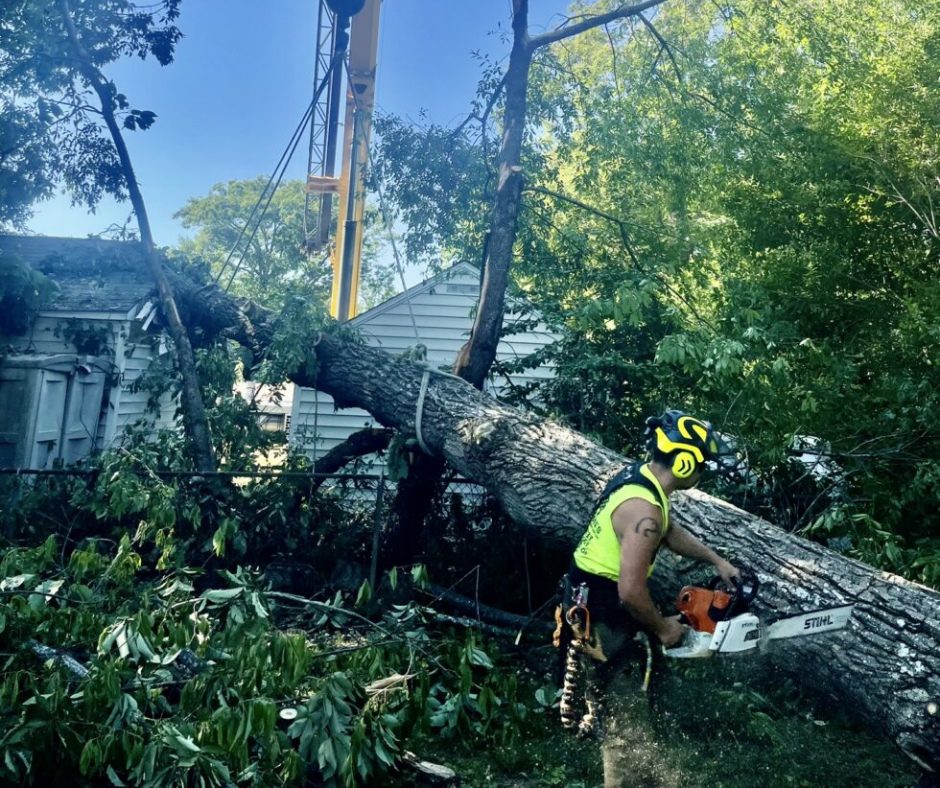
Tree Times provides rapid storm response across Richmond and surrounding areas. Our crews are equipped with cranes, bucket trucks, and heavy-duty gear to handle everything from broken branches to full emergency removals.
10. Why Hire Certified Arborists for Winter Care
Tree care is a complex science that involves understanding plant biology, soil health, and structural safety. Certified arborists bring the expertise needed to make informed, safe decisions for your property.
Advantages of working with Tree Times’ arborists:
- Comprehensive knowledge of local species and weather patterns
- Trained in ANSI and ISA tree care standards
- Equipped with specialized tools for precise pruning and removal
- Fully licensed and insured for residential and commercial work
Our goal is not just to remove risk — it’s to preserve the long-term health and beauty of your trees through every season.
11. Preparing for Spring: The Benefits of Winter Care
Homeowners who invest in winter maintenance enjoy smoother transitions into spring. Trees that are properly pruned and cared for are healthier, more resilient, and less likely to suffer from disease or storm-related damage.
After winter care, you’ll notice:
- Stronger growth and new foliage in spring
- Fewer broken or dead limbs
- Better air circulation and sunlight penetration
- Increased curb appeal and property value
Preventive care in winter sets the stage for vibrant, thriving trees all year long.
12. Choose Tree Times of Richmond for Professional Winter Tree Care
At Tree Times of Richmond, we understand the importance of protecting your property during Virginia’s harsh winter weather. Our team provides comprehensive seasonal services designed to keep your trees healthy, strong, and safe.
Our winter care services include:
- Tree inspection and risk assessment
- Seasonal pruning and trimming
- Cabling and bracing
- Stump grinding and removal
- Emergency storm response
- Preventive maintenance programs
We’re proud to serve homeowners throughout Richmond, Henrico, Chesterfield, and Central Virginia, offering expert care backed by years of experience and trusted local reputation.
13. Schedule Your Winter Tree Inspection Today
Don’t wait until the next storm hits — take action now to protect your property. Contact Tree Times of Richmond for a free estimate and winter tree care consultation.
Visit treetimesofrichmond.com or call our team today to schedule your inspection. Our arborists will evaluate your trees, recommend preventive steps, and ensure your property is ready for winter.