
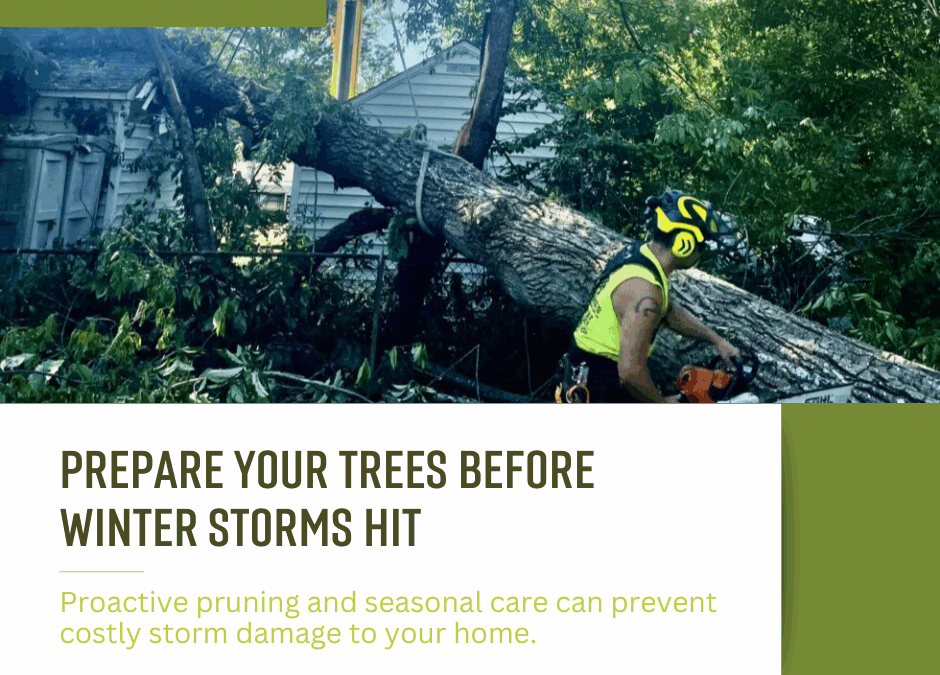
Winter in Central Virginia is unpredictable. One week brings mild temperatures, and the next brings strong wind gusts, heavy rainfall, or ice accumulation that places extreme stress on trees. Homeowners in the Richmond region often don’t realize how vulnerable their trees are until after the damage is done — a limb on the roof, a fallen tree across the driveway, a cracked trunk leaning toward the house.
But by the time a homeowner sees the problem, it’s usually too late.
Proactive winter tree care helps you avoid the stress, danger, and expense of emergency removals. Instead of reacting to damage after a storm hits, early inspections and preventative work ensure your property is ready long before winter weather intensifies.
This guide explains why proactive tree care is one of the most important winter safety steps Richmond-area homeowners can take — and how Tree Times of Richmond helps prevent storm damage before it becomes a costly emergency.
Why Winter Storms Create Serious Tree Hazards in Richmond
Winter in the Richmond region doesn’t always look like heavy snow — but the conditions we do experience are often more dangerous than people realize. A combination of high winds, rain-soaked soil, and freezing temperatures puts enormous strain on trees, especially those that are older, weakened, or improperly trimmed.
Here are the biggest winter hazards that affect trees in Central Virginia:
1. High Winds
Wind is one of the leading causes of winter tree damage. Strong gusts can:
- Snap weakened limbs
- Tear branches from the trunk
- Push over trees with shallow or compromised root systems
- Cause canopy-heavy trees to sway beyond their tolerance
Because winter winds often arrive suddenly, homeowners get little to no warning.
2. Ice Accumulation
Even a thin layer of ice adds significant weight to branches. When combined with wind, ice-laden trees are far more likely to fail.
Ice can cause:
- Limb breakage
- Structural cracking
- Bark splitting
- Top-heavy leaning
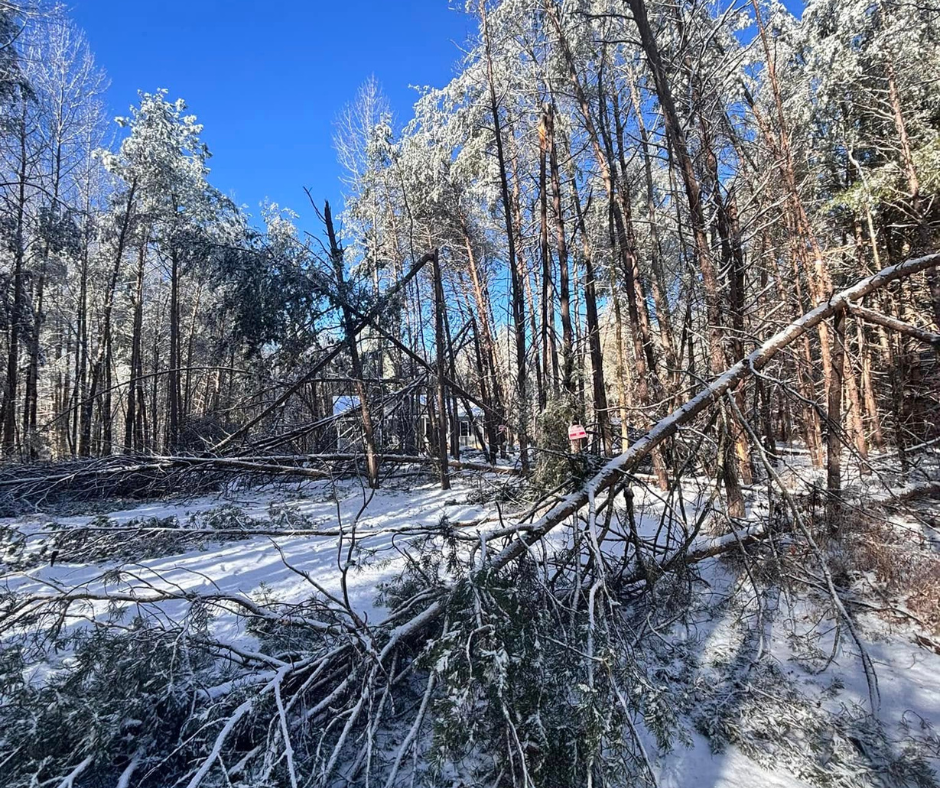
Trees that were “just fine” in fall can become unstable after one freezing rain event.
3. Saturated Soil
Winter storms often bring prolonged rain. Soft, waterlogged soil reduces root stability and makes it easier for trees — especially large or aging ones — to uproot.
This is a major risk for:
- Maple
- Poplar
- Pine
- Willow
4. Hidden Weaknesses Become Critical
Many winter tree failures come from problems that weren’t visible before:
- Internal decay
- Root rot
- Hollow cavities
- Cracks inside major limbs
- Overextended branches
- Dead or dying sections in the canopy
A professional arborist can identify these issues long before a storm puts stress on the tree.
Warning Signs Your Trees May Not Survive a Winter Storm
Before winter weather hits, identifying early warning signs of tree stress is one of the most effective ways to prevent storm-related damage. Trees rarely fail without giving clues first—homeowners simply don’t always know what to look for. Here are the most common indicators that a tree may become a hazard during heavy winds, snow, or ice.
1. Visible Cracks or Splits in the Trunk
Deep cracks, seams, or splitting bark suggest internal weakness. These structural issues can worsen under the weight of ice or when high winds push against already compromised wood. Even small cracks may hide significant decay beneath the surface.
2. Dead or Hanging Limbs
Dead branches become rigid and brittle, making them much more likely to break during winter storms. If you notice bare branches, peeling bark, or limbs that don’t produce leaves during the growing season, those are red flags that the branch is no longer viable. Hanging or partially detached limbs (“widowmakers”) should be removed immediately.
3. Fungus or Mushroom Growth at the Base
Fungal growth on or around the trunk, especially at ground level, often points to root decay. When roots weaken, the tree becomes unstable and more likely to fall when soil becomes saturated or frozen.
4. Leaning or Shifting Trees
A lean that has suddenly developed or worsened is a serious sign. While some trees naturally grow with a slight lean, a recent shift could indicate soil instability, root damage, or internal rot. During a heavy winter storm, these trees pose a significant risk to homes, vehicles, and property.
5. Excessive Branch Density
An overcrowded canopy may seem harmless, but too many competing limbs make the tree top-heavy. In winter, this extra weight traps snow and ice, increasing the chances of breakage. Thinning out dense areas of growth can reduce storm stress and improve overall tree health.
6. Root Damage or Soil Heaving
If you notice exposed roots, cracked soil, or areas where the ground appears to have shifted, your tree may have compromised anchor points. Saturated winter soil combined with high winds can easily uproot a tree with weakened root structure.
7. Discolored or Wilting Leaves Out of Season
Evergreens that show browning needles or deciduous trees with remaining dead leaves that never dropped may be signaling disease or decline. Any unusual leaf behavior outside normal seasonal patterns is worth having inspected.
8. Insect Infestations
Holes in the bark, sawdust-like material at the base, or visible insects could indicate boring pests that weaken the structural integrity of the tree. Winter storms often finish what pests have already started.
Why These Warning Signs Matter in Winter
Cold weather magnifies existing weaknesses. Ice adds weight. Wind increases movement. Rain saturates the soil. If a tree is already stressed, winter conditions push it to its breaking point. Identifying and addressing these issues now – before the storm hits – is one of the smartest ways to protect your home and avoid emergency service calls.
Being Proactive vs. Reactive: The Difference Matters
Most homeowners think about tree care after something goes wrong. That’s understandable — fallen limbs and damaged trees are hard to ignore. But emergency tree removals come with challenges:
- Higher cost
- Immediate response fees
- Greater property damage
- Dangerous conditions
- Limited scheduling flexibility
- Stress and safety risks for the homeowner
On the other hand, proactive tree care helps homeowners prevent these emergencies entirely.
Proactive care includes:
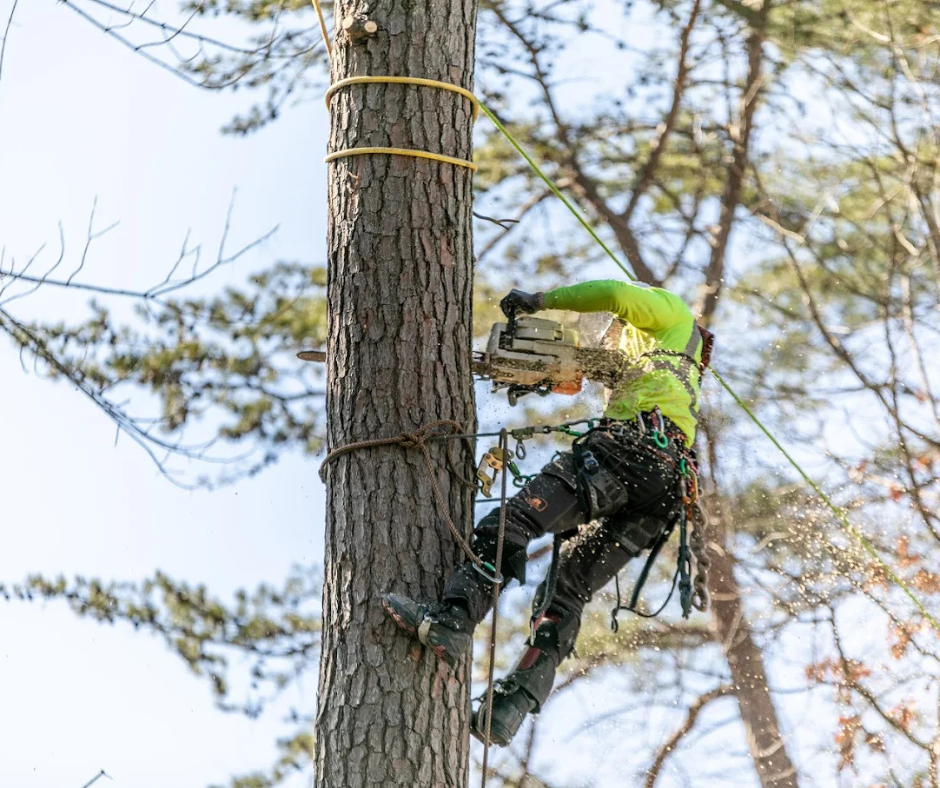
- Seasonal inspections
- Proper trimming and pruning
- Removal of dead or unstable trees
- Thinning heavy canopies
- Correcting structural weaknesses
- Addressing storm-damaged limbs from previous seasons
By acting early, you reduce risk, protect your home, and avoid the need for last-minute emergency service.
The Benefits of Proactive Winter Tree Care
Proactive winter tree care offers five major advantages for Richmond-area homeowners.
1. Prevents Costly Storm Damage
Emergency removals often cost more because they require:
- Rapid response
- Specialized equipment
- Increased safety precautions
- Weather-related complexities
A $400 pruning job in November can easily become a $2,000 emergency removal in January.
2. Protects Your Home and Family
Unstable trees pose safety threats, especially during high winds or ice storms.
Proactive care helps prevent:
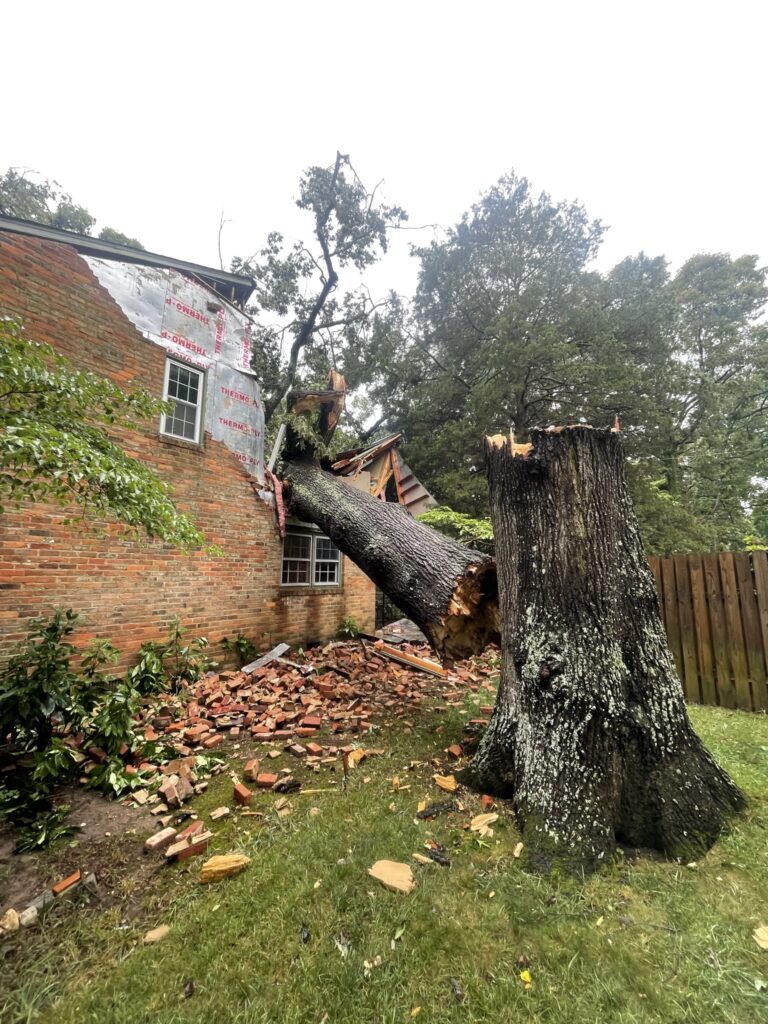
- Branches falling on the roof
- Limbs damaging cars
- Trees blocking driveways
- Fallen debris injuring people on the property
3. Reduces Liability
If a weak or dead tree falls onto a neighbor’s home, fence, or vehicle, you could be liable if you ignored obvious warning signs.
A professional inspection documents that you acted responsibly.
4. Improves Long-Term Tree Health
Proper pruning and structural corrections help trees:
- Grow stronger
- Resist wind damage
- Recover from past weather events
- Maintain better balance
Healthy trees are safer trees.
5. Gives You Peace of Mind All Winter Long
Winter weather is unpredictable, but knowing your trees have been professionally assessed gives you complete confidence that your property is safer — even during severe storms.
Why Richmond Homeowners Trust Tree Times of Richmond
Tree Times of Richmond is a locally owned, full-service tree company known for safety, professionalism, and reliability. Homeowners choose us because we offer:

- Licensed and certified arborists
- Free, no-obligation estimates
- State-of-the-art equipment
- Unmatched safety standards
- Crane-assisted removals for dangerous trees
- Thorough cleanup
- Fast, dependable winter scheduling
- Emergency response when needed
We understand the specific winter risks unique to Central Virginia — and we know how to prevent them.
Winter Is Coming. Don’t Wait for the Storm To Reveal the Danger.
Most emergency tree calls in Richmond could have been prevented with a simple winter checkup.
Don’t let hidden issues become winter disasters.
Now is the safest, smartest time to prepare.
Get your free winter tree inspection and estimate today.
Tree Times of Richmond is here to protect your home, your property, and your peace of mind all season long.